
Diana was the people’s princess. Her warmth, her hospital visits and the way she held the hands of people others were afraid to touch all point to Community, the level of care and fairness for everyone. So you would expect her map to sit there.
In one way it does. She operated from Community, but mostly from its shadow side. When the 256 statements were answered from what she actually did and said, Community came back with one of the thinnest healthy sides of anyone, and its shadow, the People-Pleaser, is the biggest on her map. The level she stands on, where she felt most at home, is lower down at Belonging. That will sound controversial to anyone who loved her. Read on, and you will see the facts bear it out. Her warmth was real, and this map shows what was driving it.
Her roots, her family and her intuition. This is where she felt most at home.
Mostly from its shadow side. Her decisions came from the need to be loved.
The People-Pleaser. Active in 11 of 16 statements, the most on her map.

| Level | Healthy side | Shadow side | Shape | Reading | ||||
|---|---|---|---|---|---|---|---|---|
| Owned | Not yet | N/A | Active | Released | N/A | |||
| Belonging | 12 | 0 | 4 | 6 | 7 | 3 | strong, some shadow | |
| Power | 9 | 7 | 0 | 9 | 6 | 1 | moderate, some shadow | |
| Order | 7 | 9 | 0 | 5 | 11 | 0 | lightly held | |
| Achievement | 10 | 6 | 0 | 7 | 9 | 0 | moderate, some shadow | |
| Community | 6 | 8 | 2 | 11 | 3 | 2 | lightly held | |
| Responsibility | 6 | 10 | 0 | 5 | 11 | 0 | lightly held | |
| Love | 6 | 8 | 2 | 8 | 7 | 1 | lightly held | |
| Bliss | 0 | 4 | 12 | 2 | 5 | 9 | largely disengaged | |
This map of Diana has been read from her public life rather than from answers she gave, so treat it as our best reading of the woman the world watched. She stands at Belonging: her roots, her family and her intuition are where she was most at home. She operates from Community, and mostly from its shadow, the need to be liked. That is her main shadow. When that need was threatened, she reached for Power and fought back. Her care for other people is what everyone remembers, and the map shows what it stood on.
Diana knew where she came from. The Spencers had lived at Althorp for centuries, and she carried the family, the name and the ceremony of royal life with real feeling. She trusted her gut before her reasoning, felt that the world was more than matter, and kept a faith in things she could not explain.
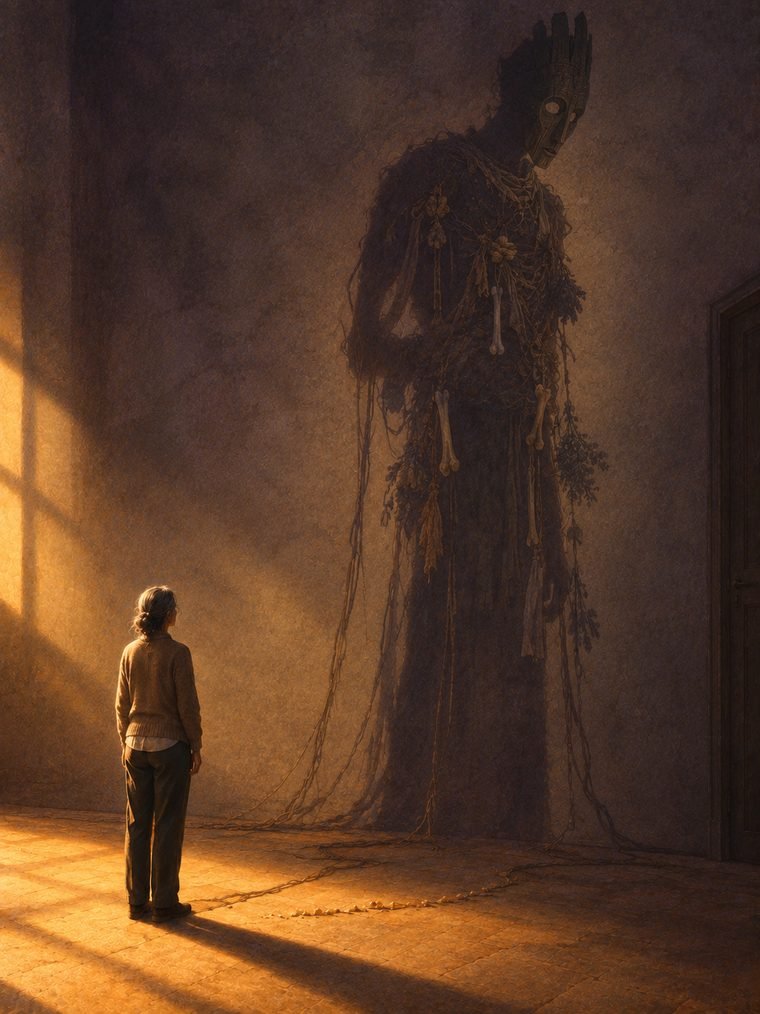
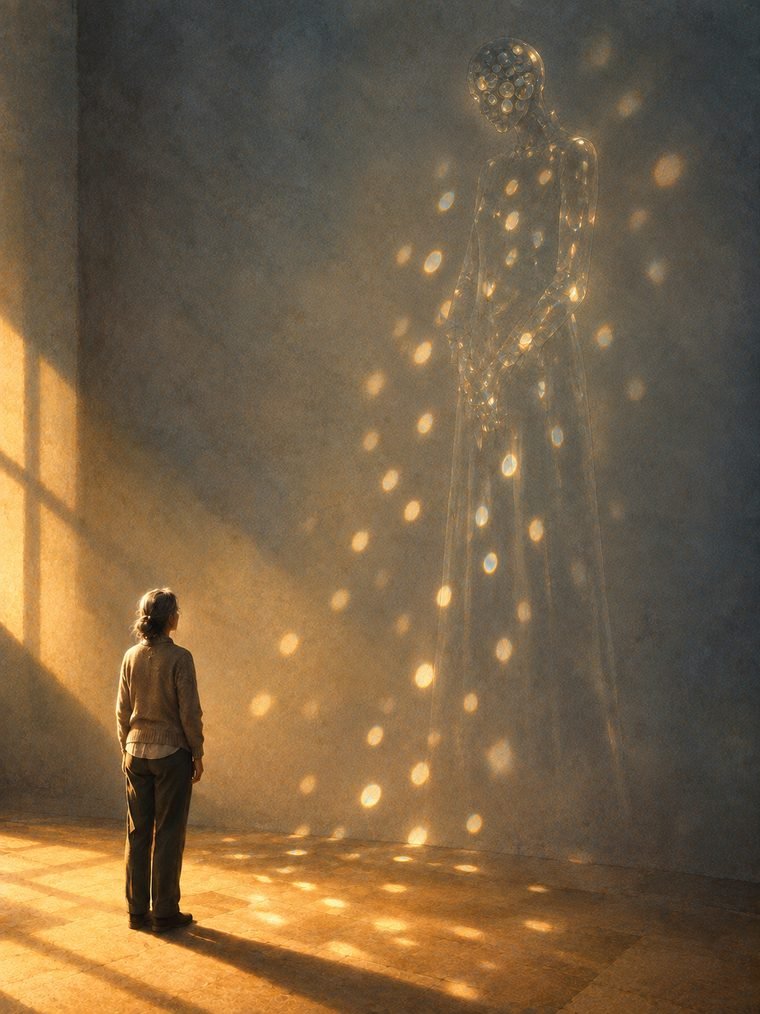
The shadow is the same sensitivity turned to fear. She leaned on astrologers, psychics and healers, looked for a sign before big decisions, and felt forces around her that could do her harm. In 1995 she gave her lawyer a note saying she feared for her safety. Its creature is the Charm-Keeper.
Power was real in her, and it came in bursts. In the end she would not be pushed around. She questioned authority, acted decisively, stepped in for people weaker than her and took risks nobody expected of her. In 1995 she sat down with the BBC and took on the palace in front of more than twenty million people.
When the need to be loved was threatened, this is where she went, and the shadow is nearly as strong as the gift. Nobody was going to tell her what to do, being made to look foolish was hard to take, and she acted now and dealt with the consequences later. People who crossed her could find themselves cut off, and she paid back a slight through the press. What she did not own is as telling. She could not hold her ground without needing to win, she could not let a slight go, and she could not say no cleanly.
Order was never the floor she stood on. She had a sense of right and wrong that she had thought through for herself, she kept long commitments and she kept her word. But she did not like structure, she found protocol suffocating, and she did not plan ahead or put off what she wanted for something that mattered more.
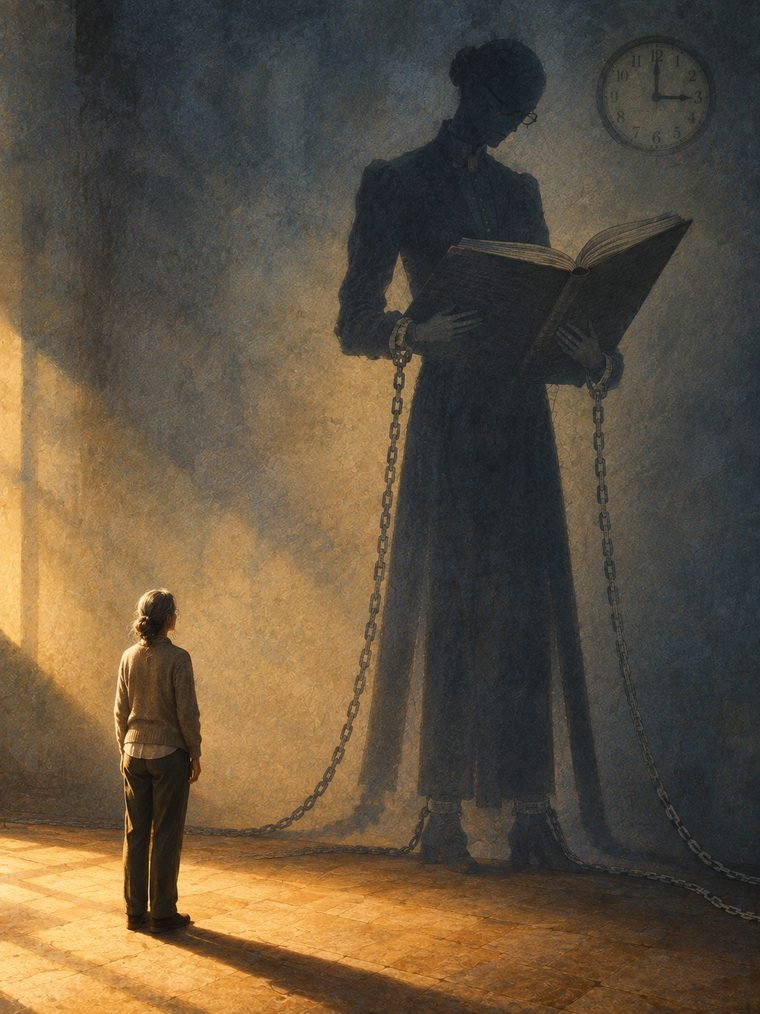
The Order that shows up is the shadow side: duty done out of obligation, guilt that lasted long after the event, and a harshness toward herself when she fell short. Her bulimia came out in 1992, and in 1995 she spoke about it herself. Most of her standards came from outside her, and that left the middle of the map thin.
Diana was better at this than people assumed. She wanted her work to be worth something, set real goals and met them, saw possibilities where others saw obstacles and thought several moves ahead. She understood the camera better than anyone in the palace. Much of her best work was never photographed, and she did it anyway.
The shadow is smaller but it is there. Recognition mattered to her more than she let on, failing in public was hard, and she was good at bringing people round to her way of seeing it. One result stands out. Her worth did not hang on what she achieved. It hung on whether people liked her, and that belongs to the next level up.
This is where her gift and her shadow both live. The gift is real. She valued people nothing like her, wanted everyone's voice heard, challenged authority used unjustly and said the hard thing out loud. In April 1987 she opened a ward for AIDS patients and shook a patient's bare hand, at a time when many people still feared touching them.
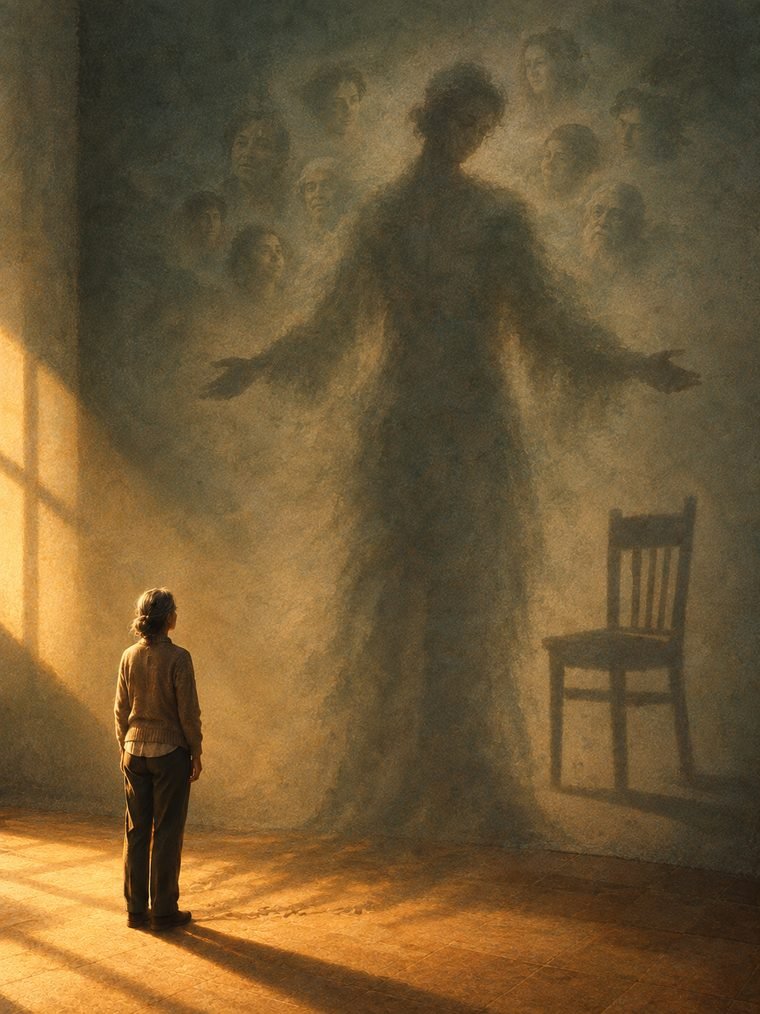
The shadow is the largest on her map: eleven of its sixteen statements. It mattered a great deal to her that people liked her. She was uncomfortable when anyone was left out, took on other people's feelings until she lost track of her own, became whatever the other person needed, and let things go rather than have a hard conversation. She put other people's needs ahead of her own when she was running low. This is the People-Pleaser, her main shadow, and it is the level she operated from. What she did not own is the level's healthy balance: being close to someone without losing herself, caring and still seeing clearly, and staying connected through a disagreement.
Responsibility is lightly held. She set aside rules that did not serve, cared more about whether something worked than which camp it came from, and met people where they were. She took wider consequences seriously, and the landmines campaign shows it.
What she did not own is the part that looks at herself first. She did not hold her views lightly, and she did not look at her own part when things went wrong. The shadow here is quieter: she was still working out who she really was, and she felt she would be free if her circumstances were different.
Her warmth was real and it went well beyond the people she knew. She felt warmth for people wherever they were, did something when she saw suffering, wished strangers well, and found that helping was simply what she wanted to do. Being useful mattered more to her than getting on.
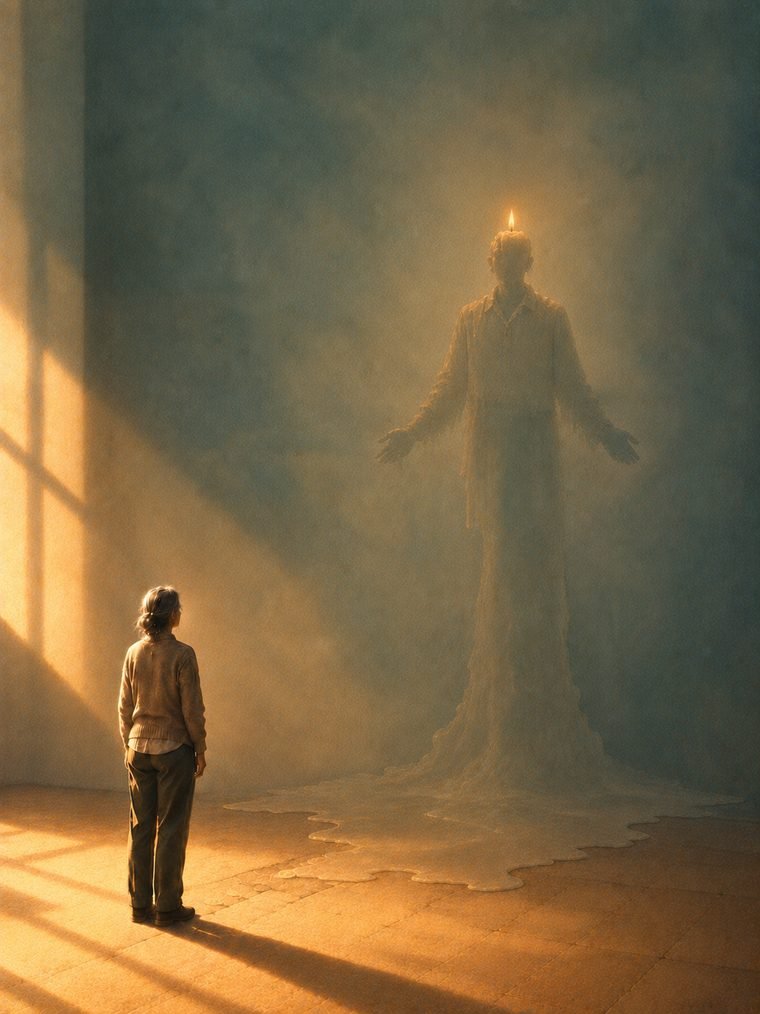
But Love in the survey is love that needs nothing back, and that is the part she did not own. Her care depended on being appreciated, and she did not give from fullness or treat herself with the kindness she gave others. Eight of the sixteen shadow statements are active: she put others first when she was running low, felt uncomfortable if she did not help, found it hard to be loving and confronting at once, and was kinder to everyone else than to herself. The Melting Candle waits here too.
Bliss is not on her radar. She was curious about unusual experiences, and she went looking for guidance wherever it was offered. But stillness for its own sake was not her path, and when she was upset her underlying calm was the first thing to go.
Diana had one gift above the rest. She felt other people's pain so strongly that she could not stay out of it, and the world loved her for it. That gift lives at Community and Love, but the floor under it was thin. Order and Responsibility are lightly held, and the level she stands on is Belonging, with the old fears that come with it.
She operated from Community, mostly from its shadow. The need to be liked is the one everyone saw, and it fed on the crowds without ever being filled. When that need was threatened she reached for Power. She fought back through the press and on television, and she cut people off. Power was the defence. The need to be loved was what it was defending.
A map should explain a life. Each of these five moments shows a level at work, with its healthy side, its shadow, or both.
Through her marriage, she consulted astrologers, psychics and energy healers, and she often looked for a sign before she made a decision.
Healthy side: Trusting that the world is more than matter, and her own intuition.
Shadow side: The Charm-Keeper. Needing a sign, and feeling there were forces out there that could harm her.
When 1980s and 1990s.
When she opened the Middlesex Hospital's AIDS ward, she took a patient's bare hand in front of the cameras. Many people at the time believed the disease spread by touch. She chose to show otherwise, and the picture changed attitudes.
Healthy side: Valuing people who are nothing like you, and not letting fear decide who gets touched.
When April 1987, the Middlesex Hospital, London.
Diana gave a BBC interview the palace had not been told about, and spoke on the record about her marriage, Charles and the royal family. It was decisive, and it cost her. Weeks later the Queen wrote to her and Charles asking for a divorce, and the HRH style went with the settlement in 1996.
Healthy side: Taking a real risk and challenging authority.
Shadow side: Acting now and dealing with the consequences later, and paying a slight back in kind.
When 20 November 1995, the BBC's Panorama.
She cooperated secretly with Andrew Morton's book so that the world would hear her version of the marriage. The book said things about her isolation and her bulimia that no royal had said before. It won her a great deal of public sympathy.
Shadow side: The People-Pleaser. It mattered a great deal to her that people understood her and liked her, and she went around the palace to make sure they did.
When June 1992, publication of Diana: Her True Story.
She walked a cleared path through a live minefield in Angola, in a visor and body armour, to put the cost of landmines on the front pages. It worked. The campaign she lent her name to helped push the international treaty, which was signed within a year of her death.
Healthy side: Seeing suffering and doing something about it.
Shadow side: The Melting Candle. She gave herself to the cause and left little for herself.
When January 1997, Huambo, Angola.
A gift can sit higher than the ground under it. Diana’s warmth reached the whole world, and the fear and the need to be liked underneath it were never settled. Most of us have a version of that. Where is your gift running ahead of your ground?
Diana's main shadow is the People-Pleaser. Everyone has a main shadow, and it is rarely the one you would guess. The Awaken Survey places you on the same ten-level map, draws your own eight windows, and names the shadow creature that is yours.

256 statements · 20 to 25 minutes · free · every map is read personally by Peter