
He lived from Love and loved even his enemies. Every level beneath it is strongly owned.
Vows, rules and fasts. Many of his biggest decisions came from here, including the ones that hurt the people closest to him.
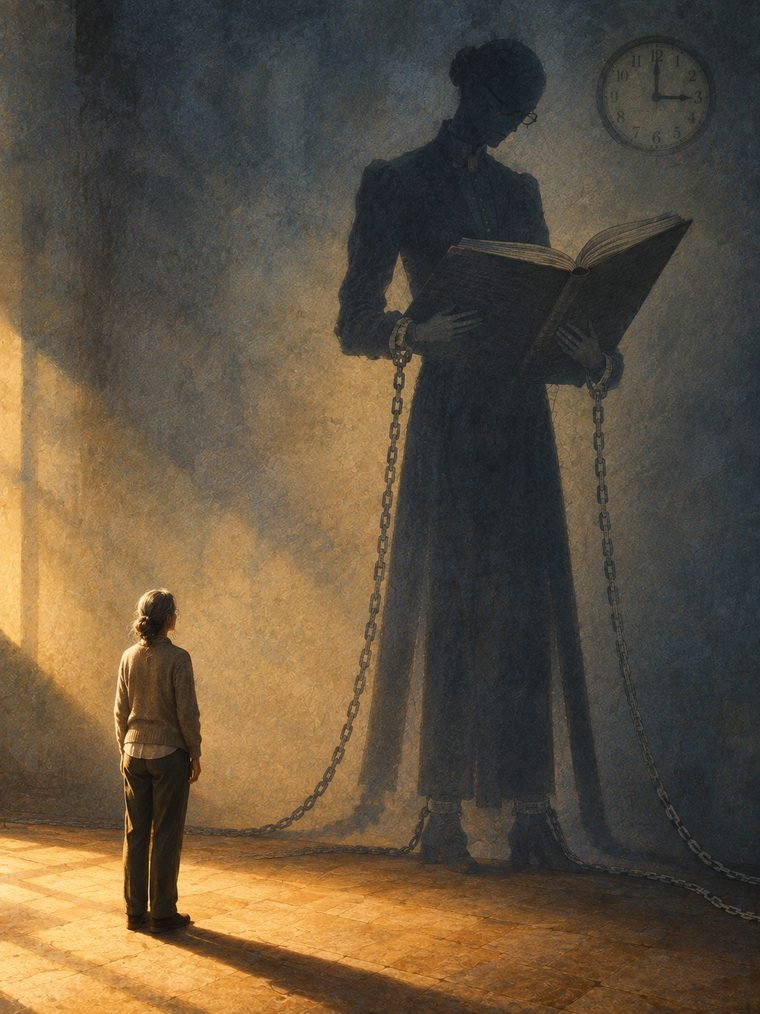
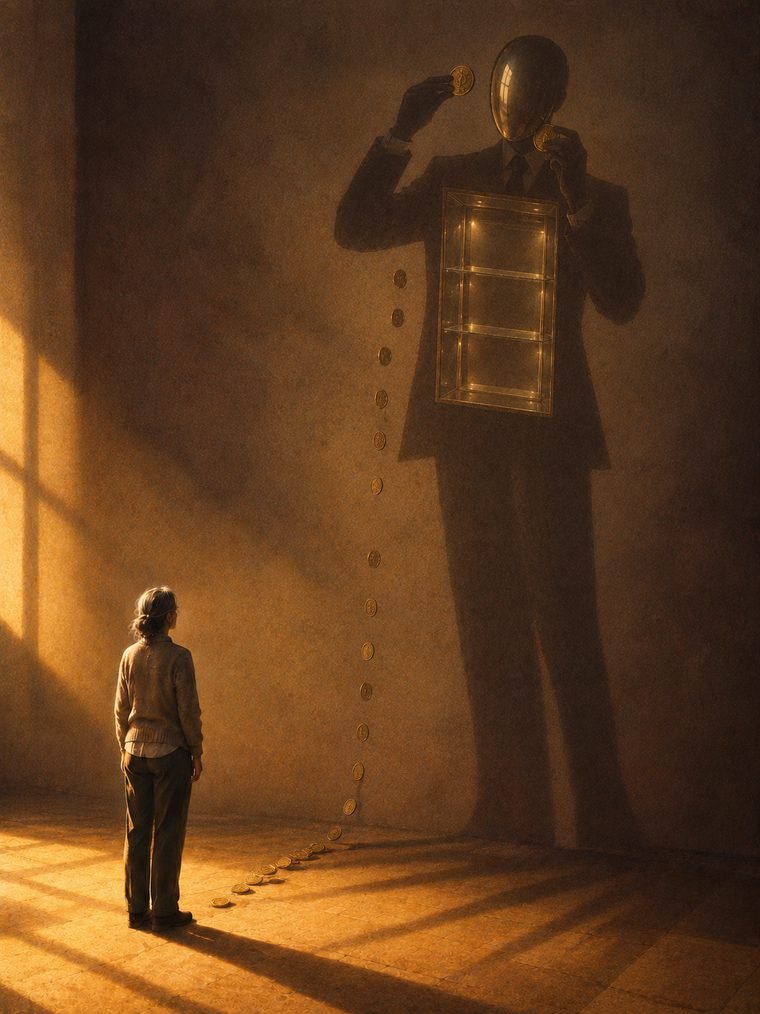
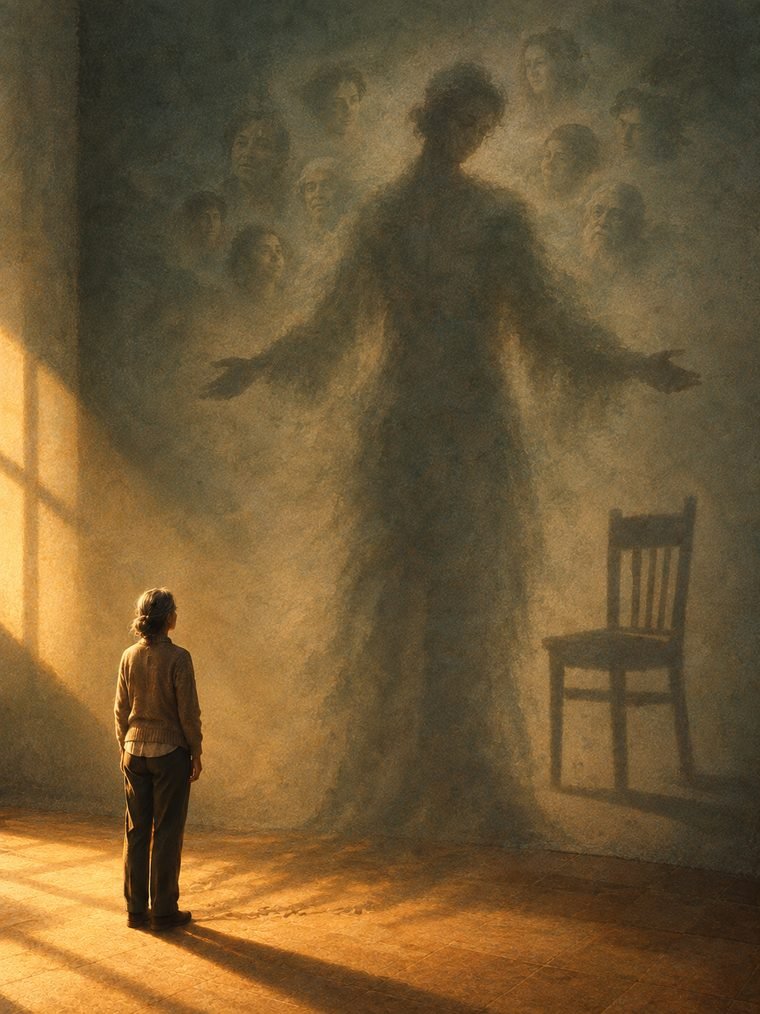
The Judge. Active in 10 of 16 statements. It kept part of him from being at home in Love.
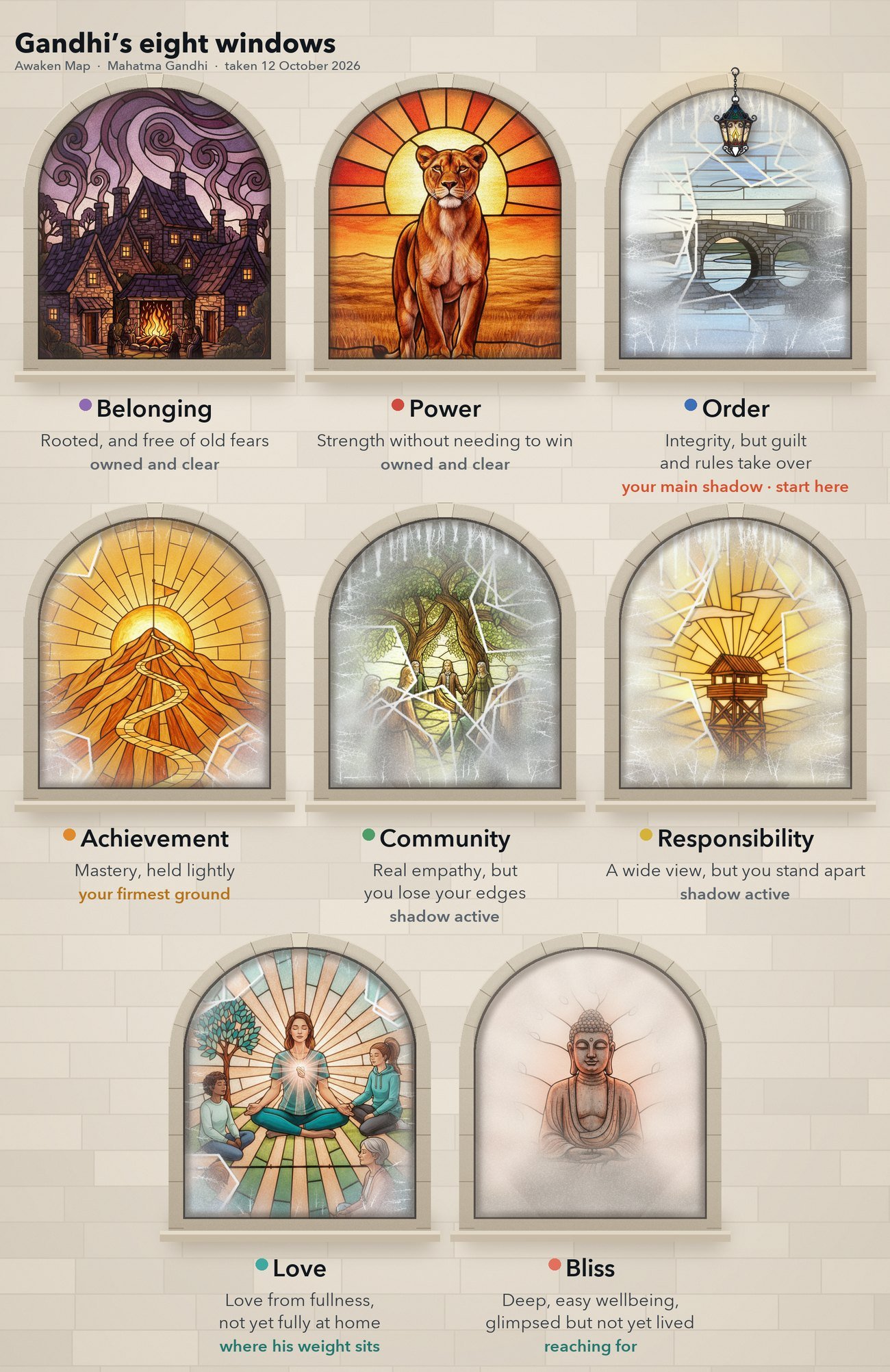
| Level | Healthy side | Shadow side | Shape | Reading | ||||
|---|---|---|---|---|---|---|---|---|
| Owned | Not yet | N/A | Active | Released | N/A | |||
| Belonging | 12 | 1 | 3 | 3 | 12 | 1 | healthy, clean | |
| Power | 12 | 2 | 2 | 2 | 14 | 0 | healthy, clean | |
| Order | 14 | 2 | 0 | 10 | 5 | 1 | strong but turbulent | |
| Achievement | 15 | 0 | 1 | 4 | 12 | 0 | healthy, clean | |
| Community | 14 | 1 | 1 | 8 | 8 | 0 | strong but turbulent | |
| Responsibility | 14 | 1 | 1 | 8 | 7 | 1 | strong but turbulent | |
| Love | 15 | 1 | 0 | 4 | 12 | 0 | healthy, clean | |
| Bliss | 11 | 1 | 4 | 3 | 13 | 0 | moderate, some shadow | |
This map of Gandhi has been read from his life and his own writings, mostly the years from 1915 until his death in 1948, rather than from answers he gave. He stands at Love. He loved people equally, and he loved his enemies, which is the real test of that level. Every level beneath it is strongly owned, from Belonging to Responsibility.
But Gandhi never fully stepped into Love, and the reason sits much lower down, at Order. Its creature is the Judge. That is the lesson of his map. You can live from a high level in what you consciously value and how you act, while a part of you underneath is not yet at home there. A strong shadow lower down is what stops you landing fully.
Gandhi knew exactly where he came from. His mother's devotion, the Gita and, later, his Jain friend and teacher Raychandbhai steadied him for life. He trusted his inner voice before his reasoning caught up, and he felt a living intelligence in everything, which he called Truth. The shadow here is small, and it takes the form of nostalgia. He believed the old village ways were better and that modern civilisation had taken something from India. As a young lawyer in South Africa he also wrote about black Africans in terms that are hard to read today. The older Gandhi grew well past that, which is exactly how the map is meant to work.
This is the level people least expect, and it is one of his cleanest. In 1893 he was thrown off a train at Pietermaritzburg for refusing to leave a first-class carriage, and he did not back down. In 1897 a mob in Durban beat him, and he refused to prosecute them. At 60 he walked about 380 kilometres to the sea to make salt. He could hold his ground without needing to win, let an insult go without it costing him anything, and admit a mistake in public, which he once called a "Himalayan miscalculation". The shadow here barely registers. The one exception is telling: when he fasted to get his way, he usually won.
Order was the backbone of Gandhi’s life. He took vows and kept them for decades, he planned carefully, he kept his word when it cost him, and he believed a disciplined life was a free one. This is the foundation that made him formidable.
The shadow is just as strong. At 16 he left his dying father's bedside to be with his wife, and he carried the guilt of that for the rest of his life. He was very hard on himself, distrusted his own desires, and believed there was a right way to do almost everything. The Judge also turned outward. He set strict rules for everyone in his ashrams, policed their diet and their marriages, and admitted in his autobiography that as a young husband he had been a domineering one. His eldest son Harilal grew up in that shadow and broke with him. In his last years he tested his vow of celibacy by sleeping beside young women in his circle, including his grandniece Manu, and some of his closest colleagues objected and left. He held high standards, and he held everyone else to them too.
Gandhi was one of the great strategists of the twentieth century. He thought several moves ahead, took calculated risks and owned the outcome, and the Salt March was a masterpiece of timing. He cared nothing for recognition or reward.
His workload was enormous. He wrote every day, travelled constantly, spun cotton and did his own cleaning, and it drew on something deeper than ordinary energy. He also knew how to stop. For decades he kept Monday as a day of silence. The shadow is light: he backed himself against long odds, and he would rather do a job himself than depend on someone else.
Gandhi owned this level deeply. Satyagraha was built to win without anyone losing: the aim was to convert the opponent, not defeat him. He worked all his life for Hindu–Muslim unity and against untouchability, and he valued people utterly unlike himself. The shadow is a generosity that could outrun the evidence. In 1939 and 1940 he wrote to Hitler addressing him as "Dear friend", believing he could be reached. He trusted what felt right over what was logical, and he put everyone's needs ahead of his own.
In 1922 a crowd in Chauri Chaura killed 22 policemen during his non-cooperation campaign. Gandhi called off the whole national movement and took the blame himself. That is the heart of Responsibility: when something goes wrong, look at your own part first. The shadow is certainty. Once he had worked something out he stuck with it, he believed one answer was better than the rest, and he did his best work as the one in charge. When Subhas Chandra Bose won the Congress presidency against his candidate in 1939, Gandhi called the defeat his own, and within months Bose was out.
Love is where Gandhi lived. The real test of Love is whether you can love your enemies, and he did. He refused to hate the British, would not prosecute the mob that beat him, wished well to people who hurt him and served without needing thanks. His love was even: Hindu or Muslim, landlord or untouchable, it went to everyone.
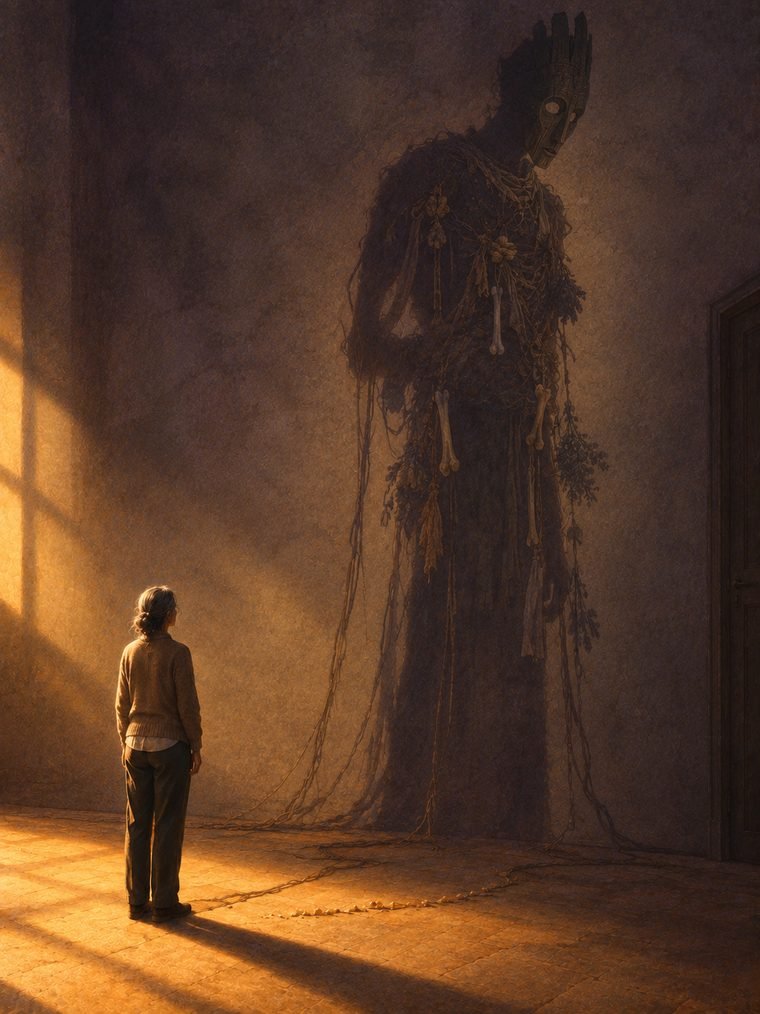
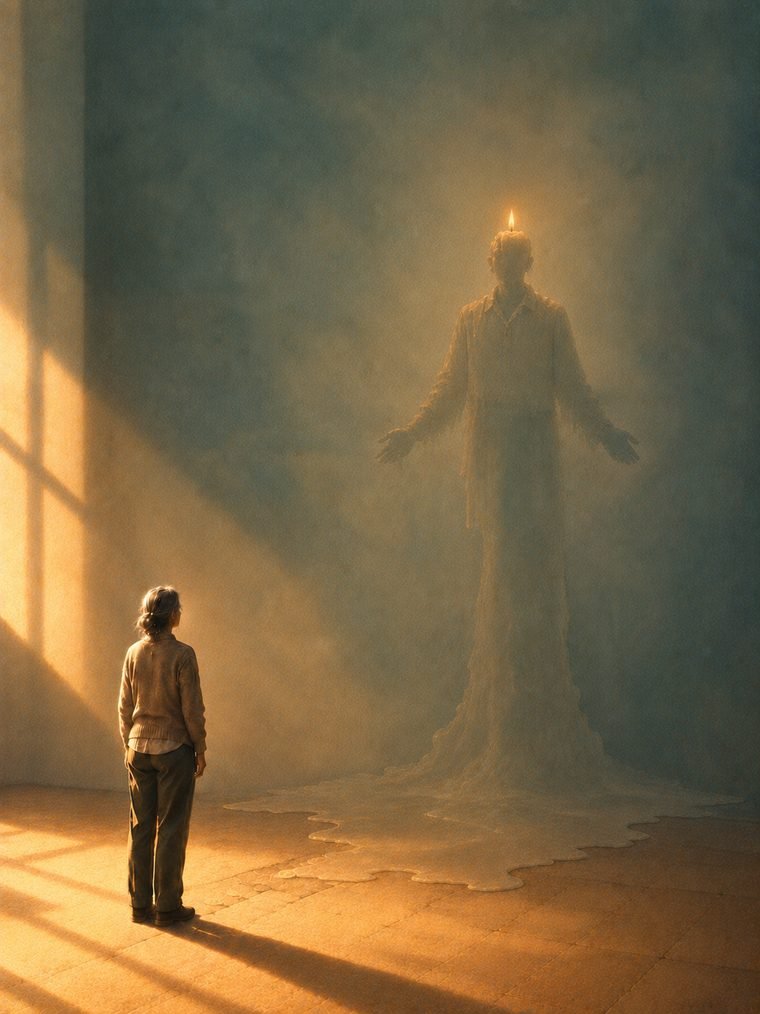
The shadow is the Melting Candle, and here the map shows something important. A man who loved this freely still gave until there was nothing left. His fasts took him close to death more than once, and his own family often got less of him than the world did. When partition came in 1947 the killing was more than he could hold, and he spent Independence Day in Calcutta, fasting and praying, instead of celebrating in Delhi.
That candle was lit from below. The Judge at Order, with its ledger and its rules, never let him off. It turned his love into a duty he had to keep meeting, and it made him far harder on himself than on anyone else. Consciously he lived from Love. Underneath, the Judge was still keeping score, and that is why he could not fully settle there.
Gandhi repeated the name of Rama all day, every day, and spun cotton as a form of meditation. He was not afraid of death and he stayed calm when he was attacked. Grief moved through him without breaking him, even when his secretary Mahadev Desai and then his wife Kasturba died while they were imprisoned with him, in 1942 and 1944.
He said openly that he had not yet found God and was far from being a mahatma. That humility was real, and so was the wellbeing underneath it. Bliss is a level he was reaching for, and he was well on the way.
Gandhi lived at Love, higher than almost anyone of his century, and every level beneath him is strongly owned. But the Judge came with him every step of the way. Climbing does not erase the shadow of a lower level. It carries it upward, where it looks like virtue: the fast, the vow, the rule for everyone else.
The work for him would start at Order: putting down the ledger, and the rules he held other people to. With that cleared, the Melting Candle would ease as well, and Love would stop being a level he lived from and become a level he was fully at home in.
A map should explain a life, not just describe it. Each of these five moments shows a level at work. Some show the healthy side, some the shadow, and three show both at once, which is how shadows usually look in a real life.
When a crowd killed policemen at Chauri Chaura, most leaders would have blamed the crowd. Gandhi blamed himself for asking too much too soon, stopped the national campaign and went to jail soon after.
Healthy side: Looking at your own part first, even when it costs you everything you have built.
When February 1922, Chauri Chaura.
When the British offered separate electorates to the so-called untouchables, Gandhi fasted in prison until their leader, B. R. Ambedkar, agreed to a compromise. He was 62 and his doctors feared for his life.
Healthy side: Iron discipline, and a willingness to suffer for a principle rather than make someone else suffer.
Shadow side: The Judge. The right way was already known, and the fast made sure it won. He called it self-suffering; Ambedkar called it coercion. And he was prepared to wreck his own body to get there.
When September 1932, the Poona Pact.
Gandhi believed anyone could be reached by love, so he wrote to Hitler twice and opened with Dear friend.
Healthy side: He refused to make anyone his enemy, and he spoke to his opponent as a human being.
Shadow side: Seeing the good in people long after the evidence has run out.
When July 1939 and December 1940.
In his late seventies he tested his vow of celibacy by sleeping beside young women in his circle, including his grandniece Manu, and wrote about it openly. Close colleagues objected and some left.
Shadow side: The Judge at its most extreme: a test that only he had set, with other people inside it.
When 1946 and 1947, in Noakhali and after.
Weeks after independence, with Delhi in riots, he began one more fast and stopped only when leaders pledged to keep the peace. Twelve days later he was shot on his way to prayer.
Healthy side: Love at its widest: Hindu and Muslim alike, and it worked: the riots in Delhi died down.
Shadow side: The Melting Candle. At 78 he again offered his own body as the price, the Judge's ledger and Love's devotion burning together.
When January 1948, Delhi.
Climbing does not erase the shadow of the level you stand on. Gandhi reached higher than almost anyone of his century, and the Judge came with him every step. If a man like that carried his shadow to the very end, the rest of us can stop pretending we have outgrown ours and start looking at it.
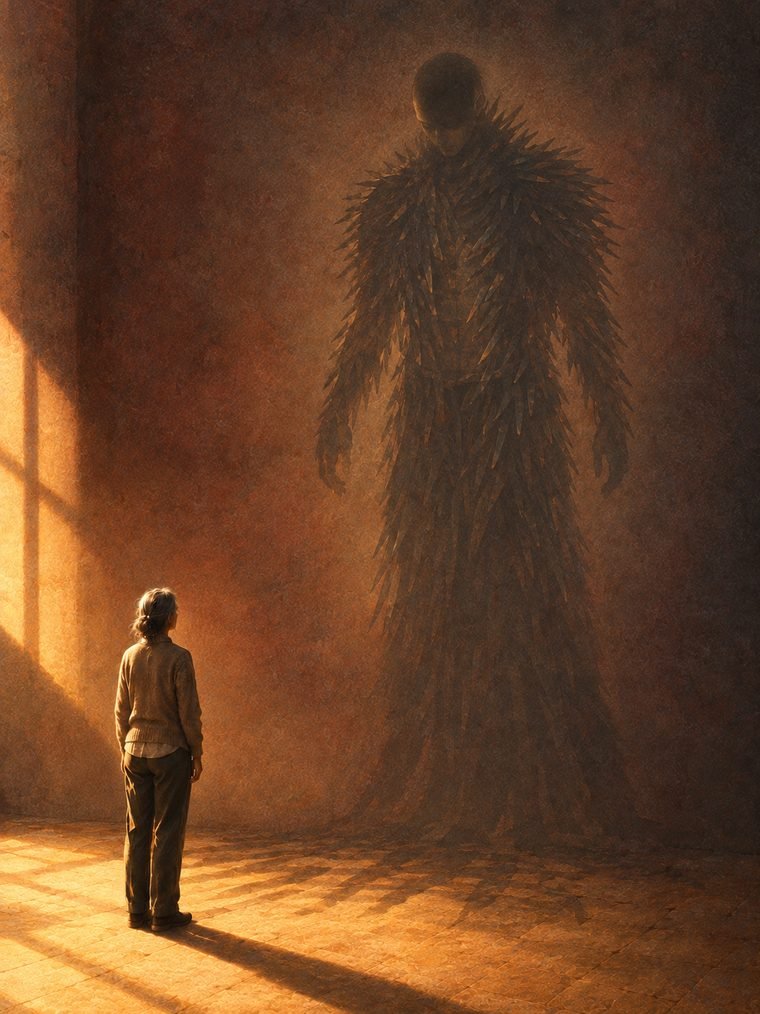
Gandhi's main shadow is the Judge. Everyone has a main shadow, and it is rarely the one you would guess. The Awaken Survey places you on the same ten-level map, draws your own eight windows, and names the shadow creature that is yours.
256 statements · about 25 minutes · free · every map is read personally by Peter